Performance Status Nutrition
Anti-Inflammatory Diets
What exactly is an anti-inflammatory diet? Read today's article to learn what nutritional components and food sources make up the many recommended diets that claim to be anti-inflammatory.
GENERAL TOPIC
6/13/20263 min read
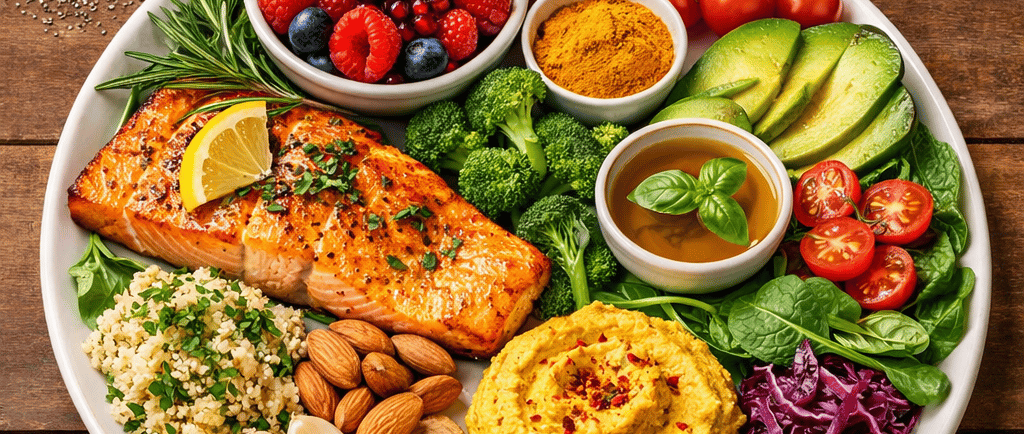
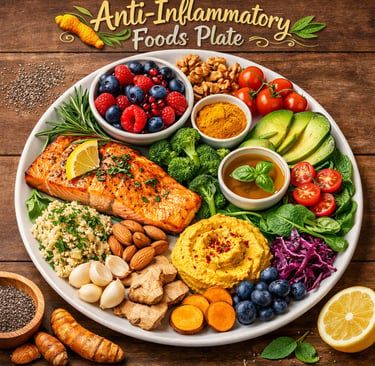
Prolonged Inflammation is responsible for many chronic illnesses. Everyday our bodies are fighting against pro-inflammatory agents in our diet and environment. We previously reviewed the basic overview of macro and micronutrients and their role in fighting inflammation. Whether the role is as an antioxidant, immune modulator or assists with metabolism or gene expression, a diet that is carefully chosen can be anti-inflammatory. There are a number of different diet patterns that are considered anti-inflammatory such as the Mediterranean Diet, the DASH diet, and the MIND diet to name a few but most share two things in common: reduce the inflammatory response and improve metabolic processes. The term immunonutrition refers to precise nutrition that selects foods that include these anti-inflammatory components in high amounts to improve our health. Anti-inflammatory diets include a large variety of foods that also contain these immune enhancing effects.
Nutrients are also important fuel for our gut health. Nutrients are metabolized and leave what we call metabolites that are very helpful to our immune response. A single nutrient can create many bioactive metabolites in the gut that have varying actions and benefits better than the original component. A healthy microbiome is key to fighting inflammation.
Anti inflammatory components
Vitamins and Minerals
Dietary fiber
Antioxidants
Polyphenols
Phytochemicals
Omega 3 fatty acids
Probiotics
Low glycemic index foods
Amino Acids
Arginine
Glutamine
Branched chain amino acids
Leucine
Isoleucine
Valine
Nucleotides
Anti inflammatory food sources
Fruits and Vegetables
Whole Grains
Nuts and seeds
Protein sources
Lean meats
Fish
Plant based proteins
Fermented Foods
Herbs and spices
One very important detail that many people do not consider is that without a general healthy dose of macronutrients including calories and many micronutrients, the special immune enhancing components may not work at optimal levels. Taking supplements while consuming a restrictive or deficient diet can become a waste of good money. Additionally, other factors may influence bio activity or bioavailability of nutrients such as climate, ripeness, cooking method, degree of refinement and medications. This is why a solid comprehensive assessment of your diet as a whole and understanding other influences is the best tool for optimal performance.
Summary of common Anti-inflammatory diets
The Mediterranean Diet is well known for its anti-inflammatory properties and is often selected as the healthy diet in nutrition research. This diet emphasizes fruits, vegetables, nuts, seeds and olive oil. Lean meats and plant-based proteins are encouraged. The diet is easy to follow and balances a large variety of foods. For a simple, easy to read description of this diet that includes a sample day menu click here.
DASH diet stands for Dietary Approach to Stop Hypertension and is considered anti-inflammatory due to its whole food approach emphasizing whole fruits and vegetables and minimally processed foods. There is an emphasis on lower sodium, heart healthy foods rich in minerals and low in sugar. For more details in a nice one page pdf from the National Lipid Association view this link: heart_healthy_eating_dash_style_final_1_0.pdf
The MIND Diet is a combination of both the Mediterranean and Dash diets with a goal of reducing inflammation for optimal brain function. MIND is short for Mediterranean-DASH Intervention for Neurodegenerative Delay. There is an added emphasis on specific antioxidant foods such as berries and specific nuts high in polyphenols. The University of Wisconsin Alzheimer's Disease Research Center provides a nice version of the MIND diet here: participant_resource_MIND_0.pdf
Self-Assessment of your own diet pattern
We love a good self-assessment test that is quick and easy to use! The MEDAS self assessment can be found here. This is a 14 question test to see how well you adhere to a Mediterranean diet pattern.
Summary Key Points
Anti-inflammatory diets are diet patterns that combine many nutritional components from a variety of food sources to help reduce inflammation and improve metabolic processes.
Anti-inflammatory diets emphasize whole foods, healthy fats, high fiber, low refined sugars or processed foods.
Assessing your diet pattern may help you improve your own health by increasing your awareness of diet quality with the goal of improving your own scores.
References:
Yu X, Pu H, Voss M. Overview of anti-inflammatory diets and their promising effects on non-communicable diseases. British Journal of Nutrition. 2024;132(7):898-918. doi:https://doi.org/10.1017/S0007114524001405.
Ferreira C, Vieira P, Sá H, Malva J, Castelo-Branco M, Reis F, Viana S. Polyphenols: immunonutrients tipping the balance of immunometabolism in chronic diseases. Front Immunol. 2024 Mar 15;15:1360065. doi: https://doi.org/10.3389/fimmu.2024.1360065
Martínez-González, M., Fernández-Jarne, E., Serrano-Martínez, M. et al. Development of a short dietary intake questionnaire for the quantitative estimation of adherence to a cardioprotective Mediterranean diet. Eur J Clin Nutr 58, 1550–1552 (2004). Doi: https://doi.org/10.1038/sj.ejcn.1602004
Weblinks provided above all accessed 6/13/2026.